
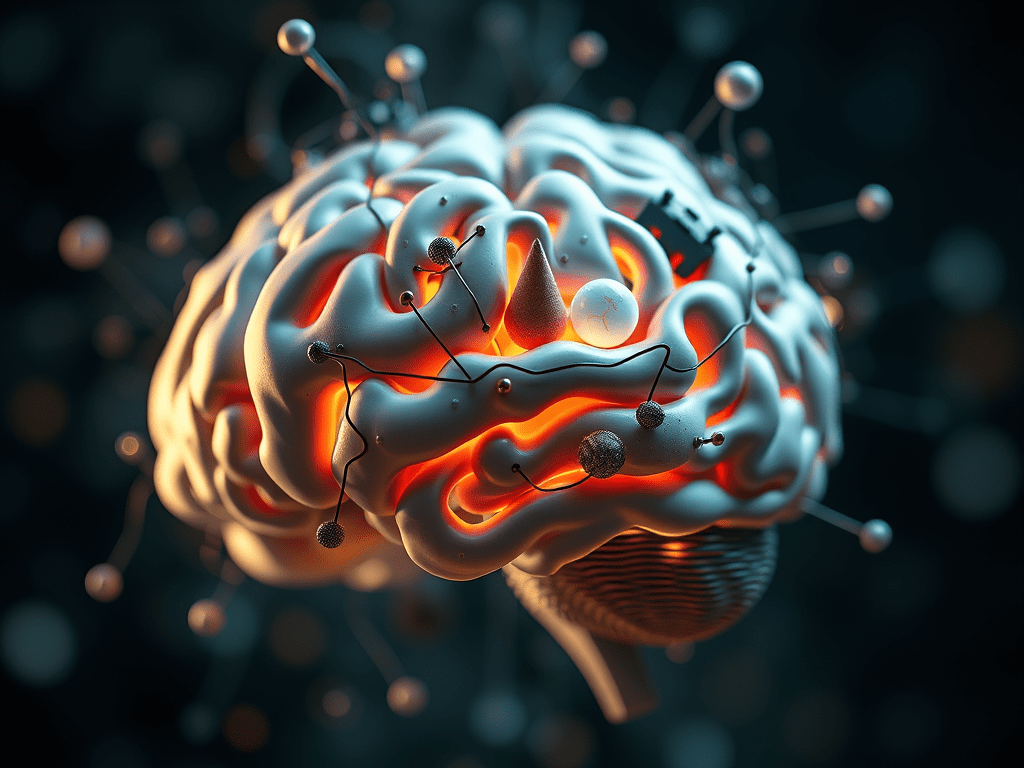

When we think about what helps a person succeed, whether in school, work, or relationships, we often focus on intelligence, motivation, or personality. Yet beneath all of those lies something far more fundamental: executive function.
Executive function refers to a set of higher-order cognitive processes that allow us to manage our thoughts, emotions, and actions in order to achieve goals. It is, quite literally, the brain’s management system; coordinating attention, planning, organization, impulse control, working memory, and emotional regulation. These skills are what allow us to start and finish tasks, adapt to change, remember important details, and maintain control under stress.
When executive function is strong, individuals are able to navigate life’s demands with confidence and flexibility. When it’s underdeveloped or disrupted, as is common in ADHD, autism, trauma, and certain mental health conditions, daily life can feel chaotic, overwhelming, or unmanageable.
At J&J Healing Haven, we see firsthand the transformative impact that strengthening executive function can have on self-esteem, relationships, and overall well-being. Understanding its role is the first step in creating meaningful, sustainable change.
The Core Components of Executive Function
Researchers often divide executive function into three main domains:
- Working Memory – The ability to hold and manipulate information in the mind. Working memory allows us to follow multi-step directions, remember what we just read, or keep track of what we need to do next.
- Cognitive Flexibility – The capacity to adapt when rules, routines, or expectations change. This skill helps us shift perspectives, solve problems creatively, and handle transitions without becoming overwhelmed.
- Inhibitory Control – The ability to pause before acting or speaking, think through consequences, and resist distractions or impulses. This self-regulation supports decision-making and emotional stability.
Together, these skills underpin nearly every aspect of human functioning, from learning and productivity to emotional resilience and social connection.
Why Executive Function Matters
Executive function is the foundation upon which learning, independence, and personal growth are built. Children rely on it to follow classroom routines and complete assignments. Adolescents depend on it to manage multiple responsibilities and make healthy choices. Adults use it to balance work, family, and self-care.
When executive function skills are underdeveloped, individuals may struggle in ways that are often misunderstood. A child may appear defiant when they are simply overwhelmed by task demands. A teen may seem lazy when they’re actually paralyzed by poor time management and anxiety. An adult may label themselves as “bad at life” when their challenges stem not from lack of willpower, but from a brain-based difficulty with organization, focus, and regulation.
Recognizing executive function as a cognitive process, not a character flaw, is vital. It reframes the conversation from judgment to understanding, opening the door for growth, self-compassion, and support.
The Lifelong Value of Strengthening Executive Function
Executive function skills are not fixed, they can be nurtured, trained, and improved across the lifespan. Strengthening these skills fosters:
- Improved emotional regulation: Individuals learn to respond thoughtfully rather than react impulsively, reducing stress and conflict.
- Enhanced focus and productivity: With better planning and task management, goals become attainable and progress measurable.
- Greater adaptability: Cognitive flexibility enables smoother transitions and better coping with life’s inevitable changes.
- Healthier relationships: Strong self-regulation supports empathy, communication, and emotional awareness.
- Higher self-esteem and confidence: Success builds self-trust, a sense that “I can handle this,” which carries into every domain of life.
For neurodivergent individuals, such as those with ADHD or autism, executive function coaching and skill-building can be especially powerful. It provides concrete, individualized strategies for managing daily life while honoring each person’s unique processing style. Rather than forcing conformity, effective support celebrates neurodiversity and builds systems that align with how each brain works best.
How Trauma Impacts Executive Function
It is also important to recognize the deep connection between trauma and executive function. Chronic stress, adverse childhood experiences, or traumatic events can impair the prefrontal cortex, the area of the brain responsible for executive functioning. When the nervous system is in a constant state of alert, it prioritizes survival over planning, reflection, or regulation.
As a result, individuals with trauma histories may experience difficulties with attention, organization, and emotional control. They may know what they “should” do, yet feel unable to follow through, a pattern often misunderstood as lack of effort rather than the neurobiological impact of trauma.
Through trauma-informed care and coaching, we can rebuild safety in the nervous system and reestablish the brain’s capacity for executive functioning. Healing the body and mind simultaneously allows individuals to regain control over their thoughts, behaviors, and choices.
How J&J Healing Haven Can Help
At J&J Healing Haven, we view executive function not just as a set of cognitive skills, but as a gateway to empowerment, balance, and healing. Our approach integrates neuroscience, trauma-informed practices, and individualized coaching to meet clients exactly where they are.
Whether supporting a child struggling to focus in school, a teen overwhelmed by transitions, or an adult seeking greater structure and emotional control, our executive function coaching is designed to:
- Build personalized strategies for organization, planning, and follow-through
- Strengthen emotional regulation and stress management
- Identify and reduce barriers caused by trauma or neurodivergence
- Encourage self-compassion and confidence through achievable progress
- Provide structure and accountability in a supportive, nonjudgmental space
Executive function coaching is not about “fixing” someone, it’s about equipping them with tools to thrive in a way that honors their individuality.
At J&J Healing Haven, we believe every person deserves the opportunity to understand their brain, harness their strengths, and move toward a life that feels both manageable and meaningful.
Final Thoughts
Executive function is often invisible until it falters, but it quietly shapes every decision, goal, and relationship in our lives. When nurtured, it becomes the foundation for growth, stability, and resilience.
By deepening our understanding of executive function and providing compassionate, evidence-based support, we can help individuals not only meet life’s demands, but truly flourish.
 J&J Healing Haven
Leave a comment